


Erectile dysfunction (ED) is not merely an awkward episode in the bedroom, nor is it an inevitable “price of aging,” as it is still often described in casual conversation. In modern medicine, ED is a formally recognized condition in which a man regularly cannot achieve or maintain an erection sufficient for satisfactory sexual intercourse. Importantly, its impact extends far beyond sexual activity alone: it affects self-esteem, intimate relationships, and—most critically—it often serves as an early indicator of underlying cardiovascular disease.
Most men experience at least one situation in their lives when “things do not go as planned.” Fatigue, stress, alcohol consumption, or a particularly difficult day can temporarily interfere with the body’s normal sexual response. A single, isolated episode of this kind does not, by itself, indicate erectile dysfunction. However, when erection problems begin to recur, erections become weak or unstable, anxiety about future sexual performance develops, and intimacy starts to feel more like a test than a source of pleasure, this is no longer something to ignore. At this stage, understanding the underlying cause becomes essential.
In online searches, many men describe these concerns as “erection problems,” “sexual performance issues,” or look for information on “early signs of impotence.” From a medical perspective, however, these terms most often refer to the same clinical condition: erectile dysfunction.
Contents
- What Erectile Dysfunction Means for Doctors and Patients
- How Common Erectile Dysfunction Is (Prevalence)
- Why Erectile Dysfunction Develops: Main Causes
- Who Is at Risk: Factors That Increase the Likelihood of Erectile Problems
- Early Symptoms: Changes You Should Pay Attention To
- Erectile Dysfunction as an Early Marker of Heart and Vascular Disease
- How Diagnosis Is Performed: What a Doctor Usually Does
- Can Erectile Dysfunction Be Treated? The Role of Medications
- What to Do If You Notice Signs of Erectile Dysfunction
- Can Erectile Dysfunction Be Prevented?
- Short Answers to Common Questions
- References
What Erectile Dysfunction Means for Doctors and Patients
From a clinical perspective, erectile dysfunction (ED) is defined as a persistent or regularly recurring inability to achieve and/or maintain an erection sufficient for satisfactory sexual intercourse, despite the presence of sexual desire and adequate stimulation.
In everyday language, the term “impotence” is still frequently used, or men talk about “potency problems.” When noticing early changes, many describe them as “early signs of impotence.” However, this term is considered outdated and stigmatizing in professional medical practice. The clinical term erectile dysfunction is far more precise: it does not judge masculinity or sexual adequacy, but instead describes a specific physiological and/or psychological dysfunction—erection problems that can be evaluated, understood, and in many cases successfully managed.
An erection is the result of a complex interaction between the nervous system, blood vessels, hormones, and psychological factors. The brain must process sexual stimulation and transmit signals through the nervous system; blood vessels must dilate to allow sufficient blood flow into the erectile tissue of the penis; hormonal balance must support libido and tissue responsiveness; and psychological factors must not interfere through anxiety or fear. When disruption occurs at any of these levels, a man may begin to notice that his erections are weaker, less stable, or disappear altogether.
How Common Erectile Dysfunction Is (Prevalence)
According to large epidemiological studies, erectile disorders are among the most common male sexual dysfunctions, and their prevalence increases with age. In men under 40 years of age, clinically significant erectile dysfunction is observed in approximately 2–5%, although isolated episodes of weak or inconsistent erections are reported far more frequently. In the 40–70 age group, persistent erectile problems are already present in 40–50% of men, and after the age of 70–80, prevalence rates may reach 70–80%, depending on the study.
Importantly, age acts as a risk amplifier, not as the sole cause. Younger men may also experience erectile dysfunction, particularly in the context of chronic stress, depression, alcohol or substance abuse, hormonal disorders, or severe systemic illness. Conversely, in older men with good vascular health, well-controlled blood pressure and blood glucose levels, normal body weight, and an active lifestyle, sexual function often persists much longer than is commonly assumed.
Another important point is that the true prevalence is likely higher than official figures suggest. Many men hesitate to discuss erection problems even with a physician, let alone report them in a way that would be reflected in epidemiological statistics.
Why Erectile Dysfunction Develops: Main Causes
It is helpful to think of an erection as the result of coordinated teamwork between several systems: vascular, nervous, hormonal, and psychological. Dysfunction at any of these levels may result in insufficient blood inflow, excessive venous outflow, or failure to initiate the central sexual response altogether. For this reason, the causes of erectile dysfunction are almost always multifactorial and rarely limited to a single trigger.
Organic, or physical, causes most commonly include cardiovascular disease and atherosclerosis, in which the arteries supplying the penis become narrowed by atherosclerotic plaques and are unable to deliver adequate blood flow. Other important contributors include diabetes mellitus, which damages small blood vessels and nerves and reduces sensitivity; arterial hypertension and dyslipidemia (elevated “bad” cholesterol), which accelerate vascular injury; as well as obesity and metabolic syndrome, leading to insulin resistance, chronic inflammation, and hormonal imbalance. Neurological conditions—such as prior stroke, spinal cord injury, or multiple sclerosis—also play a role, as do the consequences of pelvic surgery or radiation therapy. After radical prostatectomy or radiation treatment for prostate cancer, the risk of persistent erectile dysfunction increases significantly.
Hormonal disorders deserve special attention. Testosterone deficiency, severe hypothyroidism, and elevated prolactin levels can reduce libido, negatively affect mood, contribute to fatigue and loss of muscle mass, and collectively impair the body’s ability to respond to sexual stimulation. In such cases, correcting the underlying hormonal imbalance may become a key step toward restoring normal sexual function, and medications used to improve erections—sildenafil, tadalafil, vardenafil, and avanafil—often work noticeably better once hormone levels are normalized.
Psychological causes should not be underestimated. In some men, vascular and hormonal parameters may be relatively preserved, yet psychological factors effectively press a “stop button.” Performance anxiety, fear of failure, depression, chronic stress, relationship conflicts, negative sexual experiences, or feelings of shame and guilt can all interfere with normal sexual arousal. A characteristic feature of such situations is the preservation of spontaneous morning or nocturnal erections, while problems arise primarily during “high-pressure” situations—when a man evaluates himself, fears disappointing his partner, and continuously monitors his sexual performance.
Finally, there are medication-related and behavioral factors that are not always recognized as causes but significantly increase the risk of erectile dysfunction with prolonged exposure. Certain antidepressants, antipsychotics, antiandrogenic agents, and some antihypertensive medications may impair erections as a side effect. Smoking, excessive alcohol consumption, drug use, chronic sleep deprivation, and a sedentary lifestyle create a background of vascular dysfunction, elevated blood pressure, and metabolic disturbances—conditions that eventually manifest as erectile problems.
Who Is at Risk: Factors That Increase the Likelihood of Erectile Problems
Risk factors are not the disease itself, but rather the conditions under which the probability of developing erectile dysfunction (ED) becomes significantly higher. These include age over 40–45 years, excess body weight—especially central (abdominal) obesity—a sedentary lifestyle, smoking, excessive alcohol consumption, the presence of diabetes mellitus, arterial hypertension, elevated cholesterol levels, diagnosed depressive or anxiety disorders, chronic stress, as well as a family history of early cardiovascular events, such as myocardial infarction or stroke in close relatives at a young age.
The more of these factors accumulate in one individual, the greater the likelihood that initially mild and seemingly insignificant changes will appear—slightly weaker erections, a longer time required to become aroused, or occasional erectile failures. Over time, often within a few years, these changes may precede the development of more serious health problems, including coronary artery disease, cardiac rhythm disturbances, or stroke. For many men, the true starting point of medical evaluation is the moment they first decide to speak openly with a physician about erection problems.
Early Symptoms: Changes You Should Pay Attention To
Erectile dysfunction rarely develops “out of the blue.” More commonly, it is preceded by a period during which a man senses that something has changed but attributes it to fatigue, age, stress, or unfavorable circumstances.
Typical early symptoms include erections that are noticeably less firm than before, the need for more time or more intense and unfamiliar sexual stimulation to achieve an erection, increased frequency of erectile loss during intercourse—particularly when changing positions or during brief pauses—a reduction or disappearance of spontaneous morning erections, and the gradual emergence of persistent tension and anticipatory anxiety before each new sexual encounter.
A single isolated episode is not a diagnostic criterion. However, if such situations recur repeatedly and the fear that “it will happen again” begins to reinforce the problem, this is already a strong reason not to postpone a medical consultation.
Erectile Dysfunction as an Early Marker of Heart and Vascular Disease
It is particularly important to emphasize that erectile dysfunction is not only a matter of sexual health, but also a clinically significant cardiovascular signal. Numerous studies have shown that men with persistent ED are significantly more likely to be diagnosed with hypertension, coronary artery disease, subclinical coronary insufficiency, diabetes mellitus, and other forms of cardiometabolic disorders. Notably, the first complaints of “weak erections” often appear several years before the clinical manifestation of angina or myocardial infarction.
This association is explained by the small diameter of penile arteries. Systemic vascular damage—such as atherosclerosisand endothelial dysfunction—tends to manifest first in vascular beds that are particularly sensitive to impaired blood flow. Therefore, a man who presents with persistent erectile problems, especially under the age of 60 and without an obvious psychogenic cause, should be viewed as a patient who requires not only treatment aimed at improving erections, but also a comprehensive cardiovascular risk assessment. Early identification and intervention may help prevent severe and potentially life-threatening complications.
How Diagnosis Is Performed: What a Doctor Usually Does
The first and most important diagnostic tool for erectile dysfunction is not a laboratory test or a device-based examination, but a detailed clinical conversation. The doctor will ask when the problems started, how often they occur, whether morning and nocturnal erections are still present, whether there is a link to specific situations, what the relationship dynamics are like, which medications the patient is already taking, and which medical conditions are known or have been diagnosed.
This is followed by a physical examination, including measurement of height, weight, waist circumference, blood pressure, and an assessment of overall health status. As part of basic laboratory testing, physicians typically order blood glucose and/or HbA1c, a lipid profile, and morning total testosterone; if clinically indicated, prolactin, TSH, and other hormones may also be evaluated. When necessary, an ECG is added, and in some cases echocardiography and exercise testing are used to assess cardiac function. In more complex cases—particularly when significant vascular impairment is suspected—penile vascular ultrasound studies and specialized functional tests may be performed.
The goal of all these steps is not merely to confirm that “erections are impaired,” but to determine which mechanisms are involved: vascular, hormonal, neurological, psychological, or a combination of several factors. This directly shapes the treatment strategy and influences the likelihood of meaningful improvement.
Can Erectile Dysfunction Be Treated, and What Is the Role of Medications?
The key question almost every man asks is: “Is this treatable, or is it going to be this way forever?” In most cases, the answer is encouraging: yes—erectile function can often be significantly improved, and in some situations almost fully restored, especially when the problem is addressed early and treatment targets both the underlying causes and the symptoms.
A modern treatment approach typically has several levels. The first involves addressing risk factors and lifestyle: weight reduction, smoking cessation, normalization of blood pressure and blood glucose, increasing physical activity, managing stress, and improving sleep quality. The second level is psychological support and, when needed, psychotherapy—because without reducing anxiety and performance pressure, even the most effective medications may work less reliably.
The third level is pharmacological therapy. Most commonly, first-line medications are phosphodiesterase type 5 inhibitors (PDE5 inhibitors)—oral tablets that enhance the body’s natural erectile response to sexual stimulation. This group includes sildenafil (widely known as Viagra and its generics, such as Cenforce, Kamagra, Malegra), tadalafil(Cialis and generics such as Tadarise, Vidalista, Tadalis), vardenafil (Levitra, Varditra), and avanafil (Spedra and similar products such as Avaforce, Avana). These medications do not cause an erection on their own—arousal and stimulation are still required—but they help the smooth muscle in the erectile tissue relax more effectively and allow better blood inflow, making erections more stable and predictable.
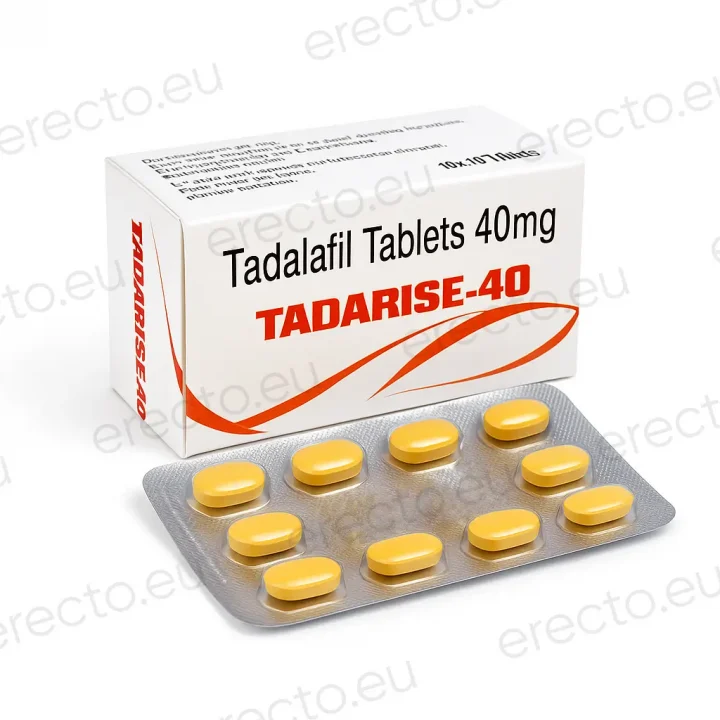
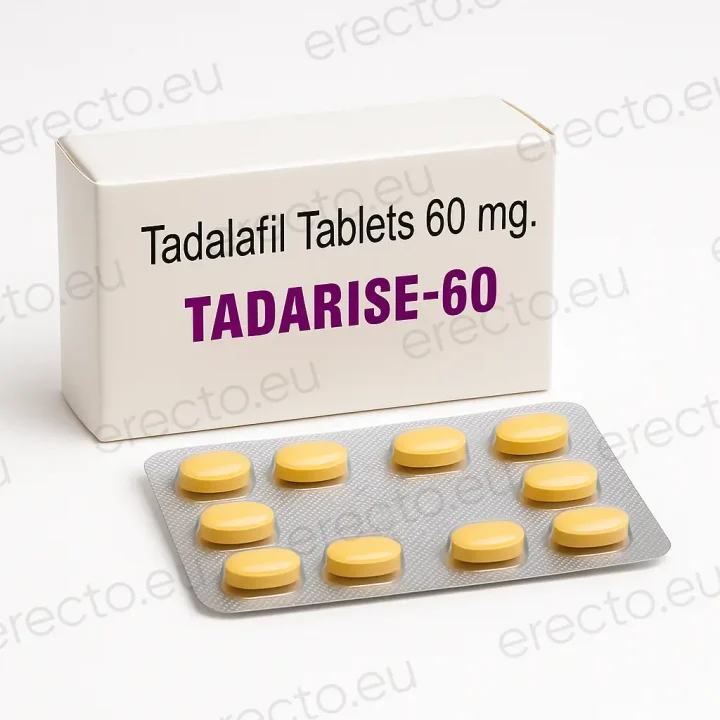
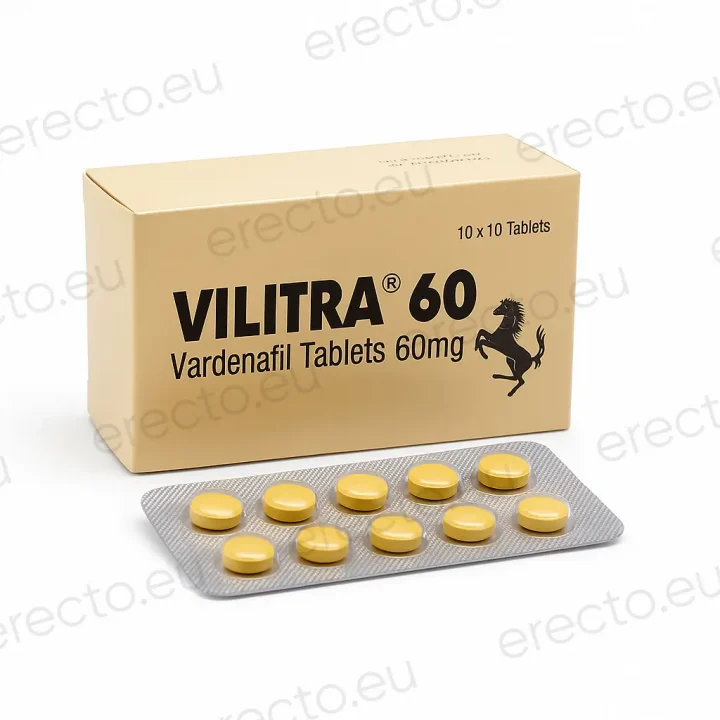
Each molecule has its own characteristics: sildenafil (Cenforce) typically works for several hours and is more affected by food intake; tadalafil (Tadarise) provides a longer window of action—up to 24–36 hours—and can be used in low-dose daily regimens; vardenafil (Vilitra) and avanafil (Avaforce) are valued by some patients for a relatively faster onset and good tolerability. Choosing the specific medication, dosage, and regimen is the physician’s task, taking into account age, cardiovascular status, concurrent medications, and the patient’s preferences. It is common for a man, under medical supervision, to try more than one option—for example, sildenafil and tadalafil—and then continue with the one that best fits his lifestyle and provides the greatest subjective comfort.
-
Cenforce 200 mg
from €30,00€40,00 -
Cenforce Soft 100 mg
from €22,00€26,00 -
Tadarise 40 mg
from €30,00€35,00 -
Tadarise 60 mg
from €35,00€39,00 -
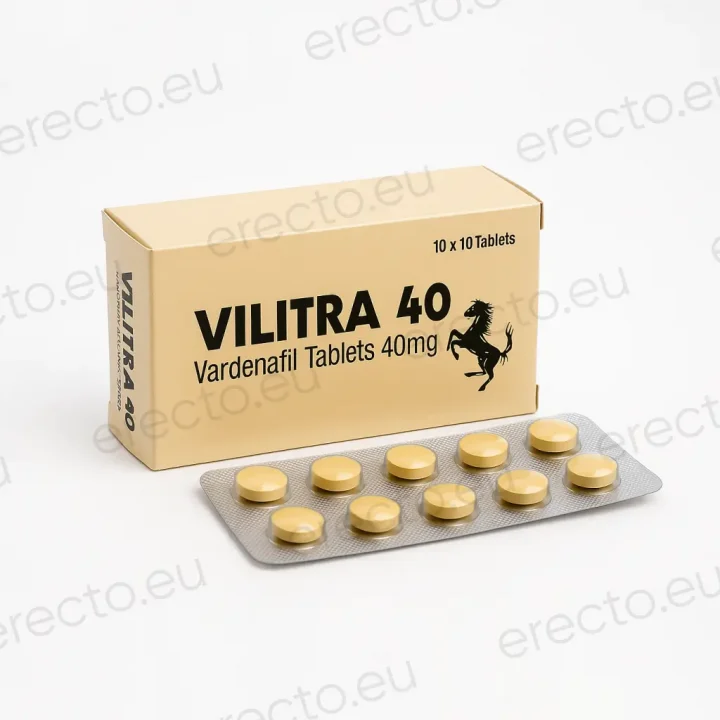
Vilitra 40 mg
from €35,00 -
Vilitra 60 mg
from €45,00€53,00 -
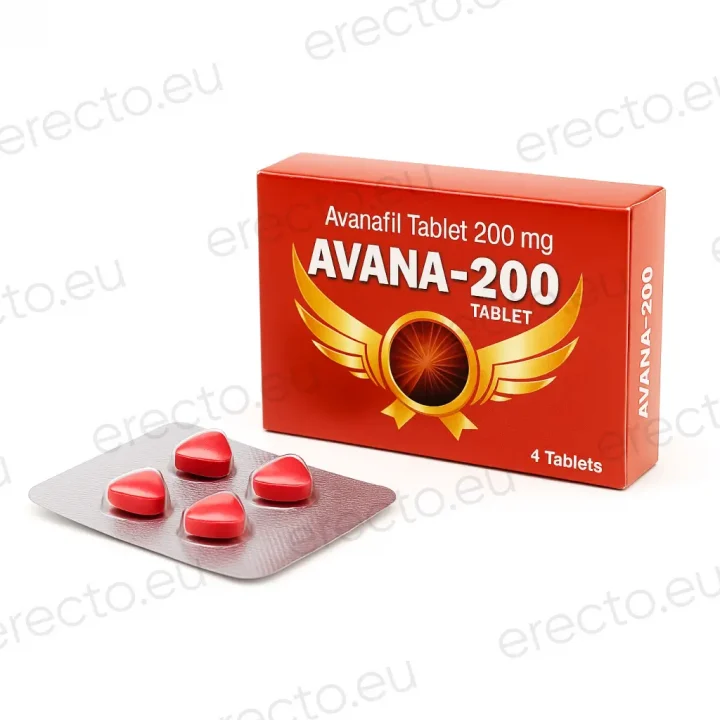
Avana 200 mg
from €26,00


In more complex cases—when the response remains insufficient despite appropriately selected sildenafil, tadalafil, vardenafil, or avanafil—injectable therapies may be considered (such as intracavernosal administration of agents like alprostadil), vacuum devices, or, in severe organic erectile dysfunction, surgical options. However, for a very large number of men, the combination of lifestyle changes, psychological work, and appropriately selected oral medications becomes the solution that allows a return to a satisfactory sex life.
What to Do If You Notice Signs of Erectile Dysfunction
If you have started to notice that your erections have changed—becoming weaker, less stable, failing more often—and thoughts about sex have begun to be associated not with anticipation but with anxiety, it is important not to shift into avoidance and not to look for instant “fixes” online.
A reasonable sequence of steps is as follows: first, honestly assess how often the problem occurs and how long it has been happening; then review your lifestyle—weight, level of physical activity, harmful habits, sleep quality, and stress levels; after that, plan a medical appointment, ideally with a urologist or andrologist. If you have diabetes, hypertension, or chest pain, consultation with a cardiologist or endocrinologist is also advisable.
Can Erectile Dysfunction Be Prevented?
Prevention of erectile dysfunction largely overlaps with the basic prevention of cardiovascular disease, which is not surprising: in both cases, the underlying mechanisms involve vascular health, metabolic balance, and the nervous system.
Maintaining a healthy body weight, engaging in regular aerobic physical activity, quitting smoking, moderating alcohol intake, ensuring adequate sleep, managing stress, and controlling blood pressure, blood glucose, and cholesterol levels all not only reduce the risk of heart attack or stroke, but also help preserve normal erectile function. Several studies have shown that in men who lose weight, increase physical activity, and achieve good control of diabetes and hypertension, erectile function may improve even without specific medications. Moreover, when treatment with sildenafil or tadalafil is used, the therapeutic effect tends to be stronger and more stable against this background.
When regular preventive medical check-ups are added—especially after the age of 40—the result is not a complex medical program, but a realistic and understandable set of actions that simultaneously protects the heart, blood vessels, brain, and male sexual health.
Short Answers to Common Questions
No. Although the risk does increase with age—particularly as risk factors such as diabetes, hypertension, obesity, smoking, and high cholesterol accumulate—erectile dysfunction also occurs in younger men. In this group, the leading causes are more often psychogenic factors, stress, depression, and, in some cases, hormonal or vascular disorders.
Not necessarily. Isolated or infrequent episodes are a normal part of life, especially during periods of overload, sleep deprivation, or alcohol consumption. A reason to seek medical advice arises when problems become regular, recur repeatedly, and persist for several months.
No. For some men, lifestyle modification, better control of blood glucose and blood pressure, smoking cessation, and psychological therapy are sufficient, and the need for medication decreases or disappears altogether. For others, medications based on sildenafil, tadalafil, vardenafil, or avanafil become a convenient and safe long-term support. Importantly, this is not a “sentence,” but one of several tools for maintaining quality of life.
Erection problems may be the first manifestation of serious underlying conditions, and medications have contraindications and potential drug interactions. A medical consultation allows for an assessment of overall health, selection of the most appropriate medication and regimen, and, when necessary, the addition of other treatment approaches.
References
- Leslie S.W., Siref L.E., et al. Erectile Dysfunction. StatPearls Publishing, 2024. NCBI Bookshelf.
- Mazzilli F., et al. Erectile Dysfunction: Causes, Diagnosis and Treatment: An Update. Journal of Clinical Medicine. 2022;11(21):6429.
- Mulhall J.P., Luo X., et al. Relationship between age and erectile dysfunction diagnosis or treatment using real-world observational data in the USA. International Journal of Clinical Practice. 2016.
- Salonia A., et al. EAU Guidelines on Sexual and Reproductive Health. European Association of Urology, update 2024–2025.
- Corona G., et al. Sexual dysfunction in type 2 diabetes at diagnosis (SUBITO-DE Study).
Disclaimer
The information provided in this article is for general educational purposes only and does not replace an in-person medical consultation or an individualized treatment plan. Medications (including sildenafil, tadalafil, vardenafil, avanafil, and others) have contraindications and must be prescribed by a qualified healthcare professional. Do not self-medicate. This material is intended for adults aged 18 and over.
Erectile dysfunction is common, treatable, and often preventable. It is also an early marker of cardiovascular health. Early medical evaluation improves both sexual function and long-term health outcomes.